
Creative Autism & Neurodivergence Therapy
Therapy that works with your brain — not against it.
Neurodiversity-affirming therapy for autistic and ADHD children, teens and adults across Ontario and beyond.
Some services may be eligible for Ontario Autism Program funding.

There Is No One Way to Be Neurodivergent.
Autism and ADHD can look different from person to person — and support should, too.
At CreativePsych, we begin with the individual: their strengths, challenges, interests, communication style, sensory needs and goals.
For some people, therapy involves conversation. For others, connection may happen more naturally through art, music, play, movement or shared activities.
The goal isn't to make someone appear less autistic or ADHD. It's to help them understand themselves, navigate challenges and build a life that works for them.
Who We Support
Children
Support can focus on emotional regulation, anxiety, communication, self-understanding, confidence, friendships, transitions and everyday challenges.
Teens
A space to explore identity, relationships, anxiety, school stress, executive functioning, emotional regulation, masking, self-esteem and the experience of growing up neurodivergent.
Adults
Affirming therapy for autistic, ADHD and otherwise neurodivergent adults, whether you've known you're neurodivergent for years, are newly diagnosed, or are beginning to explore what neurodivergence might mean for you.
Family Consultations
Parents and caregivers can meet with one of our therapists to better understand their child's needs, explore challenges at home or school, and develop practical, affirming ways to support communication, regulation and connection.
Different Ways to Connect
Talking isn't the only way to communicate, process or connect.
Our therapists are psychotherapists, and many also have training in music therapy, art therapy, drama therapy and other creative approaches. Depending on the person and their goals, sessions may include conversation, music, art, play, movement, writing or simply doing something together.
There is no requirement to make art, play music or even know exactly what you want to talk about.

What Does “Neurodiversity-Affirming” Mean?
Neurodiversity-affirming care recognizes that there are many ways of thinking, communicating, learning and experiencing the world.
Rather than beginning with “How do we make this person behave more typically?” we ask questions like:
What is this person experiencing?
-
What are they communicating?
-
What is making things difficult?
-
What strengths and interests can we build from?
-
What support would make life more manageable or meaningful?
We work collaboratively with clients and families to develop goals that respect the person while addressing the challenges that brought them to therapy.
We Can Support With
Anxiety & Worry
Fears, overwhelm, panic, perfectionism, separation anxiety and anxious thoughts.
Emotional Regulation
Big feelings, frustration, shutdowns, meltdowns and finding ways to regulate.
ADHD
Attention, organization, motivation, impulsivity and understanding how your brain works.
Autism
Affirming support for communication, regulation, self-understanding, relationships and everyday challenges.
Self-Esteem
Building confidence, self-understanding and a stronger sense of self.
Social Connections
Friendships, school stress, transitions, communication and navigating social situations.
School Stress
School anxiety, overwhelm, changing routines, transitions and other school-related challenges.
Grief & Life Changes
Support through loss, family changes, illness and other significant transitions.

Using Ontario Autism Program Funding
Some CreativePsych services may be eligible for Ontario Autism Program funding.
Families may be able to use OAP funding toward eligible psychotherapy and creative arts therapy services depending on their child's needs, goals and funding arrangements.
Meet Our Neurodiversity-Affirming Therapists

Miya Adout

Mollia Kennedy

Jessica Kwong

Seokhoon Jun

Leah Lee
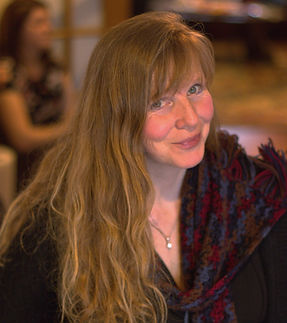
Grace Rogers

Sarah Waterfield

Robert Rose
Not Sure What Kind of Support You're Looking For?
That's completely okay.
You don't need to know which therapist, modality or type of therapy is the right fit before reaching out.
Tell us a little about who you're looking for support for and what's bringing you here. We'll help you figure out a good place to start.